How French Drain Installation Helps Your Property
Ground that stays soft long after rain can leave part of your yard difficult to walk through or maintain. French drain installation in Jonesboro, AR can help by intercepting water moving through the soil before it reaches that wet area.
Jonesboro Drainage Co. plans the work around your lot's slope and the space available for a drain. Our drainage team looks at where the wet ground begins and how a trench would fit around established landscaping before recommending a route.
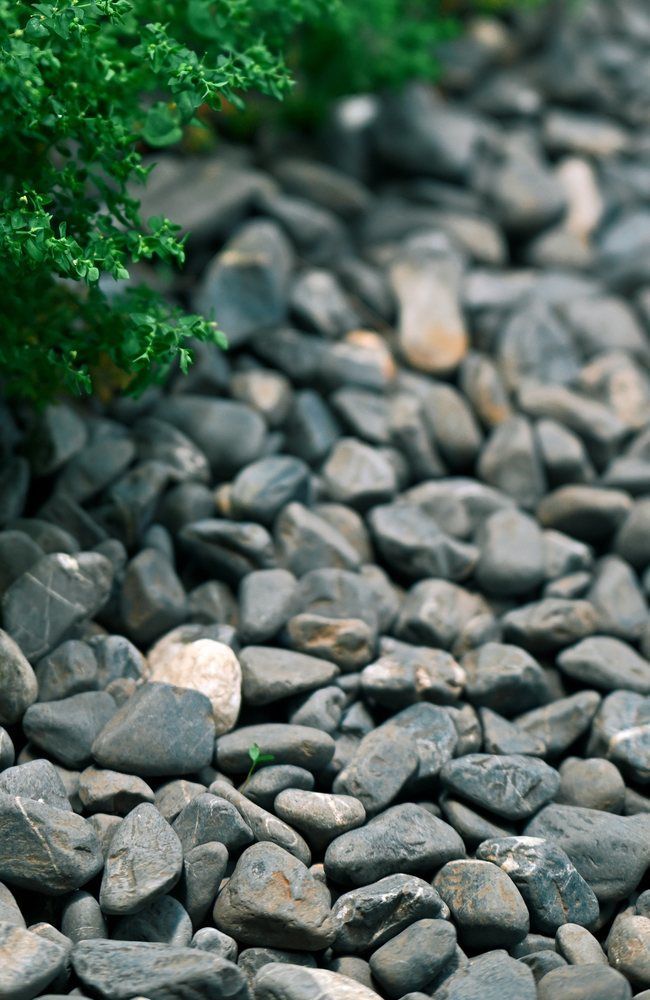
How the trench is finished matters when it crosses lawn or established landscaping. Grass above a buried drain keeps the strip usable as lawn, while exposed gravel changes how you mow around it. We discuss that choice with the drainage layout before digging begins.

Why Property Owners Choose Us
The Right Fix Before You Commit
- We check whether a French drain fits the problem before recommending one. Picture a wet strip partway down a sloped yard after several rainy days. We'd ask when it appears and look for signs of seepage, then explain whether those observations support a subsurface drain before you commit to one.
Clear Answers About Where Water Can Go
- A flatter lot can make gravity discharge difficult even when there is plenty of room to dig. We check the elevations and explain any outlet limitations before you commit to a trench. If a suitable discharge point is unavailable, that may rule out the proposed system.
Know What the Quote Includes Before Digging
- Your quote should make the work area and included restoration clear. We discuss how trench depth and access affect the cost alongside length, so you understand the work behind the price.
Planning Access for Future Drain Cleaning
- We plan cleanout access so the pipe can be checked or cleaned without digging up the trench. That discussion also covers what needs to stay accessible and where leaves or soil could block the outlet, so you know what to watch after rain.
How We Handle the Job
01
Place the Trench Where It Can Intercept Water
We work back from the wet area to assess where water may be entering from higher ground. The trench should cross that likely path before the water reaches the problem spot. An easier place to dig is not necessarily a useful place to collect it.
02
Soil Conditions Guide the Gravel and Filter Choice
Windblown silt deposits around Crowley's Ridge make fine soil worth considering when planning a drain. Suitable filter fabric lets water enter the gravel around the perforated pipe while limiting soil that could clog it. The soil at the trench, including any fill, guides our gravel and filter selection; regional geology alone cannot tell us what your yard needs.
03
Enough Slope Without Unnecessary Length or Disruption
Once a suitable outlet is identified, we compare routes that provide the fall needed to carry water toward it. Roots, utilities, and paved areas can make the shortest line impractical. A longer route may avoid those obstacles but require more digging.
04
When Surface Runoff Needs Its Own Collection Point
Roof or driveway runoff may need collection at the surface even where subsurface drainage is also appropriate. Our
yard drainage options can address that separate flow. We account for both sources in the proposed plan instead of assuming one buried line will handle them all.
Serving Jonesboro and Nearby Areas
We offer French drain installation for properties in Bay and Lake City as well as throughout the city. Share your location and which part of the yard stays wet so we can discuss the work you have in mind.